Chief Native Embroidery Design Review
First Impressions of Chief Native
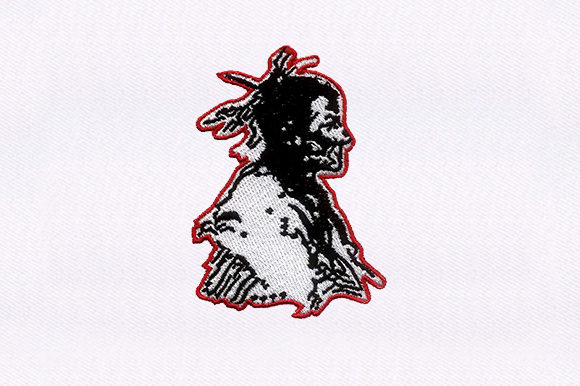
When I first opened the Chief Native machine embroidery design, I was struck by its bold visual language. It carries a distinct sense of heritage and storytelling—something that feels rooted in tradition but is clearly adapted for modern use. The layout is clean yet intricate, with a balance of geometric shapes and organic curves that give it a unique personality.
The mood it creates is both strong and versatile. It doesn’t scream for attention but has enough presence to stand out on a finished product. This makes it ideal for custom apparel, sweatshirts, or even embroidered patches that need to convey meaning without being overwhelming.
I immediately thought of how this design would look on a handmade tote bag or as an embroidered patch on a jacket. Its detail level is high enough to feel intentional but not so dense that it would struggle on thinner fabrics or smaller hoop sizes.
How Chief Native Performs in Real Projects
Let’s imagine a scenario: you’re preparing a custom embroidered tote bag for a boutique shop. You want something that speaks to culture, quality, and uniqueness. Chief Native fits perfectly here. Its composition allows it to be the focal point of the design while still maintaining a professional finish.
On a tote bag, the design would sit well on a dark fabric background, especially if paired with thread colors that contrast nicely. It can also work beautifully on lighter fabrics, depending on your choice of stabilizer and thread palette.
If you're considering using it on baby clothes or nursery decor, it’s worth testing the stitch density to ensure it doesn’t become too heavy on delicate materials. However, for sweatshirts, aprons, or pillow covers, the design holds up well and adds a touch of character that customers are likely to appreciate.
As an Etsy seller or craft business owner, this design could easily be used as part of a collection of digital embroidery files or included in a printable mockup for your listings. It’s a great option for personalized gifts or holiday embroidery projects that need a meaningful touch.
Where to Use Chief Native with Caution
While Chief Native is a strong design, there are a few scenarios where extra care is needed. For example, if you plan to use it on small hoop sizes, make sure the entire design fits comfortably within the 4×4 inch hoop size provided. If you’re working with thin fabric or stretchy material, consider using a stabilizer to prevent distortion during stitching.
Dense stitch areas might require a test run on scrap fabric before committing to a final product. Also, when placing this design on curved surfaces like caps or hats, be mindful of how the shape interacts with the contours of the item.
For dark fabric backgrounds, choose thread colors that offer good visibility. A quick test in black and white could help you determine whether the design will translate well on different fabric tones.
Design Notes for Embroidery Professionals
Before using Chief Native in any project, take the time to test it on scrap fabric. Check the stitch density and review the thread color contrast to ensure the design looks as intended. Confirm that the hoop size matches your needs and that the embroidery file formats are compatible with your machine.
Also, inspect small details closely. If you're planning to sell this as a digital embroidery file or include it in a craft business product, double-check the licensing terms to avoid any issues later on.
Finally, consider how the design affects the visual appeal of your finished product. Chief Native has the potential to elevate the handmade presentation of your items, adding value and customer trust through its thoughtful execution.
Whether you're creating personalized gifts, small shop products, or commercial embroidery assets, Chief Native offers a solid foundation for meaningful and professional results.